




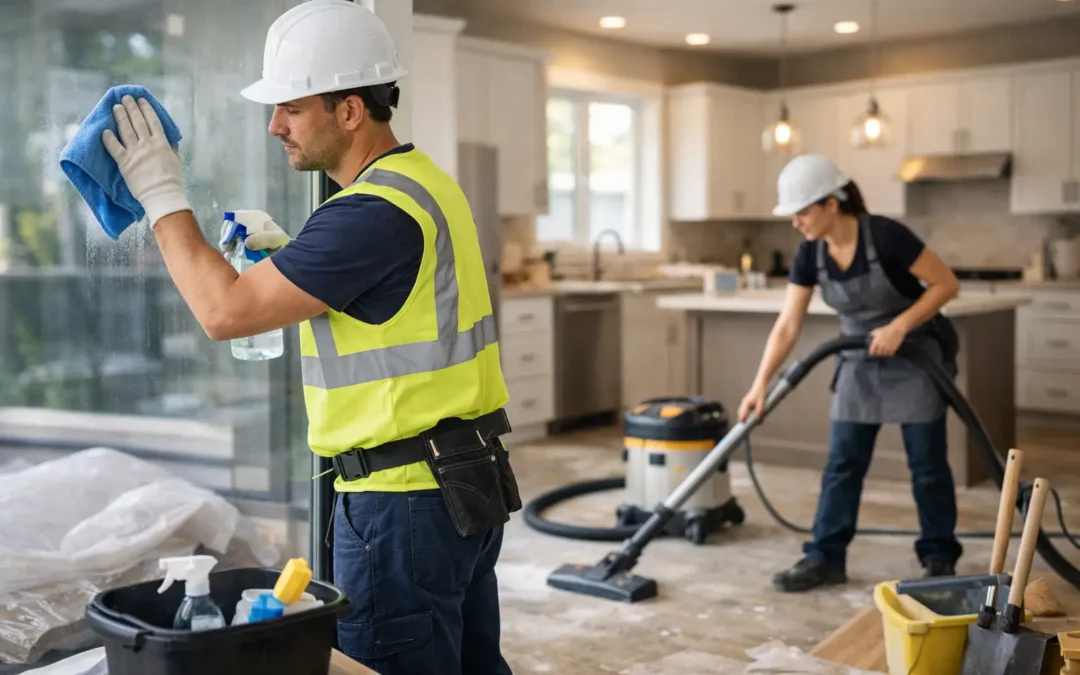
Handing over a newly built or renovated property with dust on the skirting, paint spots on the glass, and debris still tucked into corners is a fast way to leave the wrong impression. If you are asking what does builders cleaning include, the short answer is this: it is a specialised post-construction clean designed to make a site safe, presentable, and ready for inspection, occupancy, or handover.
That sounds simple, but builders cleaning is not the same as a standard domestic or office clean. Construction work leaves behind fine dust, adhesive residue, plaster marks, stickers, silicone smears, packaging waste, and general site mess that require the right equipment, products, and method. For builders, property managers, strata teams, and commercial operators, getting this stage right protects presentation, saves time at handover, and helps avoid last-minute defects being blamed on cleaning issues.
What does builders cleaning include in practice?
In practice, builders cleaning usually covers three things: removal of construction dust and debris, detailed cleaning of surfaces and fixtures, and final presentation work so the property looks complete. The exact scope depends on the stage of the project, the type of property, and whether multiple cleaning visits are needed.
On some jobs, there is an initial clean during the build to remove rubbish and keep the site manageable. On others, the main focus is a final builders clean after trades have finished. Larger commercial sites, apartment developments, and staged fit-outs often need more than one visit because dust keeps settling after work stops.
A professional team will usually assess the site before quoting because no two projects leave the same type of mess behind. A retail fit-out in Sydney CBD, for example, has very different cleaning demands to a newly built home in the suburbs or a strata common area after remedial works.
The main stages of builders cleaning
Builders cleaning is often broken into stages rather than treated as one single clean. This matters because cleaning too early can be inefficient, while cleaning too late can hold up handover.
Rough clean
A rough clean happens before the final presentation stage. It usually includes removing larger debris, vacuuming or sweeping loose dust, clearing packaging, and getting rid of leftover construction materials that should not remain onsite. This stage helps make the area safer and easier for remaining trades to finish their work.
It is also the point where obvious mess around windows, floors, bathrooms, kitchens, joinery, and entry points begins to get addressed. The goal is not perfection at this stage. It is to reduce build-up and prepare the site for detailed finishing.
Final clean
The final clean is the detailed stage most clients picture when they think about builders cleaning. This is where surfaces are properly cleaned, smears and marks are removed, fittings are wiped down, and the entire property is brought up to presentation standard.
This stage often includes walls, doors, frames, internal glass, ledges, light switches, power points, cupboards, benchtops, tiles, sinks, taps, toilets, showers, mirrors, and floors. Attention to detail matters here because handover inspections tend to pick up small issues very quickly.
Touch-up clean
A touch-up clean is sometimes needed after the final clean, especially if trades re-enter the site for defect work, installations, or final checks. Fresh footprints, dust, fingerprints, and minor marks can appear even after a thorough clean.
For this reason, many builders and property professionals schedule a final touch-up close to practical completion or just before keys are handed over.
What areas are typically cleaned?
A proper builders clean is thorough. It generally covers both visible surfaces and less obvious areas where construction dust settles.
In kitchens and kitchenettes, cleaners will usually wipe inside and outside cabinets if included in scope, clean benchtops, splashbacks, sinks, taps, tiled surfaces, and external appliance surfaces. Stickers, protective film residue, and light grout haze may also need attention.
In bathrooms, the focus is on tiles, grout lines, shower screens, mirrors, vanities, toilets, basins, chrome fittings, and any dust or residue left from plumbing or tiling work. Soap scum is not usually the issue on a new build – silicone smears, grout dust, and trade marks are more common.
Living areas, bedrooms, hallways, and common areas are usually cleaned from top to bottom. That means dusting cornices, skirting boards, door frames, internal ledges, wardrobes, shelves, and joinery, then vacuuming and mopping floors. Internal windows and glass doors are normally part of the clean, provided there is safe access.
For commercial sites, builders cleaning may also include foyers, lifts, amenities, partition glass, reception counters, workstations, and shared access areas. On strata or multi-unit projects, common property presentation can be just as important as the individual lots.
Dust removal is a major part of the job
The biggest issue on most post-construction sites is dust. Fine dust from plaster, sanding, cutting, and general trade activity travels further than many people expect. It settles on horizontal surfaces, gets into tracks and corners, clings to walls, and can continue falling after the first clean if the site has not fully settled.
This is one reason builders cleaning needs the right process. Rushing in with the wrong cloths or equipment can simply move dust around instead of removing it. Proper vacuuming, methodical wiping, and repeated attention to high-settling areas are often required.
Dust removal also matters for presentation and occupant comfort. A property can look finished from a distance but still feel unclean if fine residue remains on joinery, floors, or glass.
Glass, floors, and detailed finishing
The final impression of any newly completed site usually comes down to detail. Glass is a good example. Window panes, sliding doors, mirrors, and partitions often collect paint flecks, fingerprints, dust, stickers, and smears during the build. Cleaning them properly improves light, visibility, and overall presentation.
Floors also need a surface-specific approach. Tiles may need grout dust removed. Vinyl and hard floors need careful cleaning to avoid damage. Timber-look flooring and polished surfaces require suitable products and techniques. Carpeted areas often need a detailed vacuum and spot attention if installation marks or dust remain.
Small finishing details make a real difference too. That includes cleaning switches, removing labels, wiping vents, detailing door hardware, and making sure corners, edges, and tracks are not overlooked. This is where experienced cleaners stand out from a general once-over.
What is not always included?
This is where expectations need to be clear. Builders cleaning can include a lot, but not every quote covers every task.
External windows above accessible height may sit outside standard scope. Heavy cement removal, paint stripping, acid washing, pressure cleaning, or hazardous material removal may also require separate pricing or specialist treatment. The same goes for rubbish removal if there is significant leftover construction waste rather than light debris.
It also depends on site condition. If trades are still active, if power or water is unavailable, or if access is limited, the cleaning plan may need to change. A reliable provider will clarify inclusions before work starts so there are no surprises at handover.
Why professional builders cleaning matters
For builders and project managers, the clean is part of the finish. It affects handover quality, client perception, and how quickly a space can move into use. For property managers and commercial operators, it helps ensure the building is ready for tenants, staff, or customers without delay.
There is also a practical compliance angle. A cleaner, safer site reduces trip hazards from debris and improves visibility of any actual defects that still need rectification. You do not want dirt and dust masking issues during inspection.
That is why experienced teams matter. Trained cleaners know how to work around new surfaces, remove post-build residue without causing damage, and adapt the clean to residential, commercial, retail, and strata environments. Companies such as 5 Star Cleaning Group are often brought in because clients need flexible scheduling, reliable turnaround, and a standard that holds up under inspection.
Choosing the right scope for your site
The best builders clean is not always the biggest one. It is the one that matches the stage, site condition, and handover deadline. A smaller fit-out might only need a detailed final clean and touch-up. A larger construction project may need staged cleaning, rubbish removal, and common area presentation across multiple visits.
When comparing providers, ask how they handle dust removal, what surfaces are included, whether touch-ups can be scheduled, and how they manage access and timeframes. Clear scope beats vague promises every time.
If you are planning a handover, the smartest move is to treat cleaning as part of project delivery rather than an afterthought. A well-cleaned site does more than look good – it helps the whole job finish properly.