




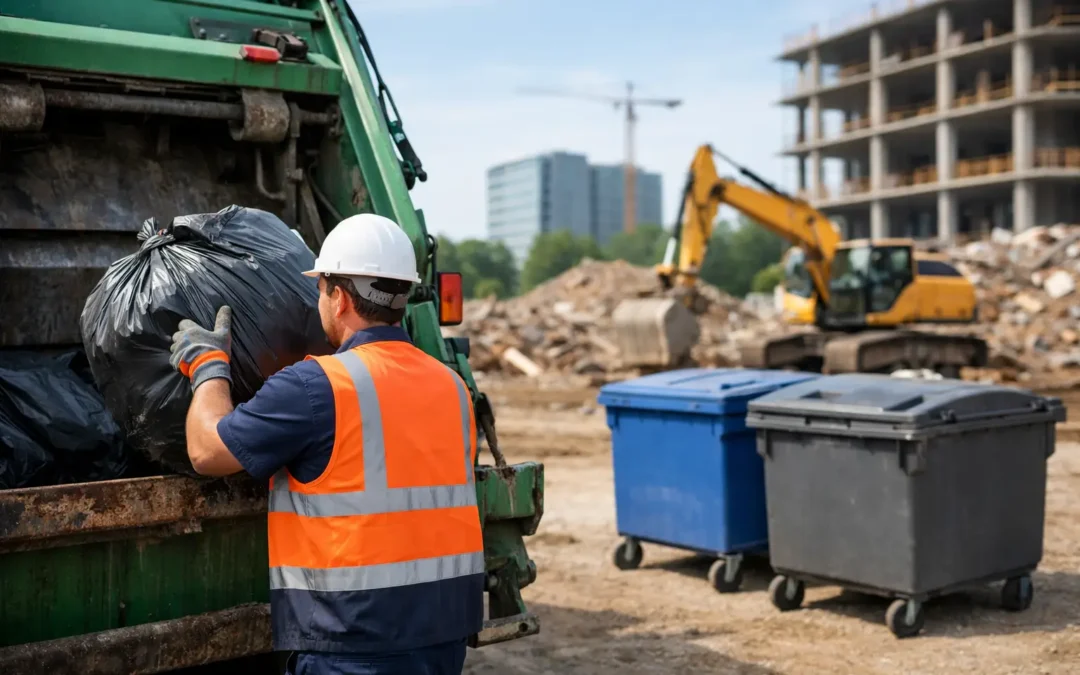
A full bin room, loose packaging near a loading dock or construction debris left after a trade has finished can quickly become more than an eyesore. It can interrupt access, create safety concerns and leave the wrong impression on tenants, customers and visitors. Reliable commercial waste removal services give Sydney property and business operators a practical way to keep sites clear without adding another job to an already busy day.
The right service is not simply about taking rubbish away. It is about turning up when agreed, working safely around people and vehicles, separating materials where possible, and leaving the collection area clean and usable. For offices, retail stores, strata properties and building sites, that consistency protects presentation standards and helps operations run without unnecessary disruption.
Why commercial rubbish removal needs a planned approach
Commercial waste rarely arrives in a neat, predictable pile. An office may accumulate cartons and redundant furniture after a relocation. A retail shop may need packaging removed outside trading hours. A strata manager may be dealing with dumped items in common areas, while a builder needs post-construction materials cleared before the next stage of work can begin.
Each situation has different access requirements, volumes and time pressures. A one-off clearance may be the right answer after a fit-out, tenancy change or major clean. Regular collections can be more effective for properties with ongoing rubbish build-up. The key is matching the service frequency and scope to the way the site actually operates, rather than paying for a generic arrangement that leaves gaps.
There is also a clear safety benefit. Cardboard, timber offcuts, broken fixtures, loose plastic and unwanted furniture can create trip hazards, restrict fire exits or block shared accessways. Clearing waste promptly helps maintain a safer environment for staff, residents, contractors and the public.
What a dependable waste removal service should cover
A professional provider starts by assessing the waste, the site layout and the collection conditions. This makes a difference on busy Sydney sites where access may involve basement car parks, loading zones, lifts, narrow corridors or shared driveways. The team needs to know what can be removed, where the rubbish is located and how to complete the work with minimal impact on occupants.
For many commercial properties, the service may include general rubbish, cardboard and packaging, green waste, unwanted office furniture, light fixtures, non-hazardous renovation debris and items left behind by previous occupants. The exact scope depends on disposal requirements and the condition of the material.
Some waste types need specialist handling and should never be treated as general rubbish. These may include asbestos-containing materials, chemicals, paint, gas bottles, batteries, medical waste and certain electronic items. A responsible provider will identify these issues early, explain any limitations and ensure the correct disposal pathway is considered. Trying to save time by mixing unsuitable items into a standard rubbish load can create compliance and safety risks later.
Clean collection areas matter too
Waste removal is incomplete if the rubbish is gone but the area is left dusty, sharp-edged or unpleasant to use. This is especially relevant in bin rooms, loading bays, stairwells, vacant tenancies and construction sites. Sweeping up loose debris, removing scattered packaging and checking that access points are clear gives the property a properly finished result.
For clients managing multiple services, combining rubbish removal with commercial cleaning, builders cleaning or end-of-lease cleaning can also reduce contractor coordination. One provider can work to a clear scope and sequence the tasks properly – remove the waste first, then clean the space ready for use, inspection or handover.
Choosing the right schedule for your property
There is no single collection schedule that suits every business. The right option depends on how quickly rubbish accumulates, where it is stored and how visible it is to customers or occupants.
A retail business in a high-traffic location may need fast packaging removal after deliveries so stockrooms and back-of-house areas stay workable. An office may only require a larger collection after a workplace refresh or move. For strata buildings, regular attendance can help prevent common areas becoming a dumping point for bulky items. Construction sites often need staged removal as trades progress, followed by a final clearance before builders cleaning begins.
When planning the service, consider access hours as well as volume. Early morning, after-hours or weekend work may be preferable where collection during business hours would interfere with customers, residents or site activity. Flexible scheduling is not a luxury in these settings. It is often what keeps the job from disrupting normal operations.
Questions to ask before booking commercial waste removal services
Before approving a quote, it helps to confirm a few practical details. Ask how the provider prices the work – by volume, load, item type, labour time or a combination of factors. Clear pricing avoids surprises when a small pile of rubbish turns out to include heavy or difficult-to-handle materials.
You should also confirm whether the quote includes labour for carrying items from the site, cleaning up loose debris and disposal fees. Access can materially affect the job. Rubbish at ground level beside a loading bay is different from furniture that must be carried down several flights of stairs or removed through a busy office floor.
It is worth discussing timing, too. If the waste is blocking a tenancy handover, practical completion, a scheduled inspection or a retail opening, the provider needs to understand that deadline from the outset. A dependable team will be realistic about what can be completed in the available window and arrive equipped for the agreed scope.
Finally, make sure the service provider is appropriately insured and experienced in commercial environments. Residential rubbish removal and commercial site work can look similar from a distance, but the operating conditions are often very different. Property managers and builders need contractors who understand site rules, safe access and the importance of leaving the area presentable.
Waste removal for common Sydney commercial settings
Offices and commercial tenancies
Office rubbish removal often follows a relocation, refurbishment or clearance of old equipment and furniture. The priority is usually speed and discretion. Staff may still be working nearby, lifts may need to be booked and building management may require collection to occur within set hours. A well-organised removal helps the business return the space, reset its layout or prepare for cleaning without a prolonged mess.
Strata and managed properties
Strata properties face a recurring challenge: bulky rubbish appearing in bin rooms, car parks and shared areas. Fast action helps prevent a single dumped item becoming a larger pile. Regular inspections and responsive removal can protect the appearance of the building while reducing complaints from residents and owners.
Retail spaces
Retail waste needs to be managed around customers, stock deliveries and limited storage space. Cardboard and packaging can build up quickly, particularly during promotions, refits and busy seasonal periods. Collection outside trading hours may be the most practical option where access and presentation are priorities.
Construction and renovation sites
Building and renovation waste can slow down trades, limit safe movement and make a nearly finished project look incomplete. Removal should be coordinated with the work programme, particularly before final cleans, client inspections and handover. Materials must be assessed carefully, as some construction waste has specific handling and disposal requirements.
A cleaner site is easier to manage
Commercial rubbish is often treated as a minor operational issue until it starts affecting access, safety or presentation. By then, it can cost more time and cause more disruption than a planned removal would have. A clear collection process keeps responsibilities simple: identify the waste, arrange the right scope, allow for access and have the area left clean afterwards.
For Sydney businesses and property managers, 5 Star Cleaning Group can coordinate rubbish removal alongside professional cleaning services, helping reduce the number of contractors required for a site reset, handover or ongoing property care. The most useful result is straightforward: clear spaces, fewer interruptions and a property that is ready for the next task.