




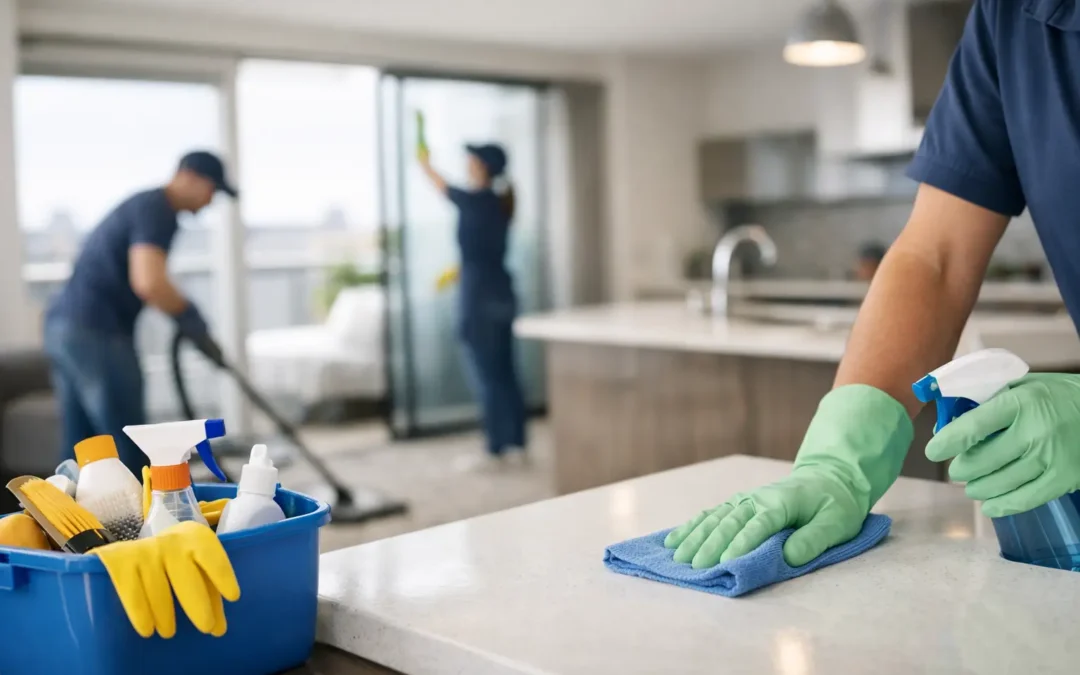
A bond clean Sydney tenants can rely on is not a quick wipe-over the afternoon before keys are returned. It is a detailed, room-by-room clean designed to bring a vacated property back to the condition expected under the tenancy agreement, allowing for fair wear and tear. When the standard is missed, delays, additional cleaning requests and bond disputes can follow.
For tenants, the goal is simple: leave the home clean, documented and ready for the final inspection. For landlords and property managers, the priority is a consistent handover standard that keeps the property presentable and reduces vacancy time. A professional end-of-lease clean helps both sides move forward with fewer loose ends.
What a bond clean Sydney property needs
A proper bond clean is more thorough than regular domestic cleaning because it deals with the areas that collect grime gradually and are easy to overlook while living in a home. The work should be guided by the property’s condition, its inclusions and the outgoing condition report, rather than a one-size-fits-all checklist.
In the kitchen, this commonly means cleaning cupboards inside and out, degreasing the cooktop, rangehood and splashback, wiping benches, sanitising sinks and polishing taps. Ovens require particular attention. Built-up grease on racks, trays, glass and internal surfaces is one of the most common inspection issues, so it should never be treated as an optional extra unless it is genuinely outside the agreed scope.
Bathrooms need more than a surface clean. Shower screens, tiles, grout, basins, mirrors, toilets, exhaust fans and fittings all need to be addressed. Soap residue and mineral deposits can make an otherwise clean bathroom appear neglected, particularly around taps, drains and shower edges.
Across living areas and bedrooms, the expected work usually includes vacuuming and mopping floors, removing cobwebs, wiping skirting boards, cleaning light switches, dusting accessible surfaces and cleaning internal windows where included. Built-in wardrobes, tracks, shelves and drawers should also be empty and cleaned before the inspection.
The details that affect the final inspection
Final inspections often turn on small details rather than major mess. Fingerprints on glass, dust on blinds, crumbs in drawers and marks on skirting boards can create the impression that the job was rushed. This is why a systematic process matters.
Window cleaning is a good example. Internal glass, window sills and tracks are often included in a bond clean, but external windows can depend on access, height, safety requirements and the service agreement. A ground-floor unit with accessible exterior glass is different from an apartment with fixed windows several storeys up. Clarify the scope before booking so there are no assumptions on either side.
The same applies to walls. Light marks may be removable with careful spot cleaning, while damaged paint, deep scuffs and stains may need repair or repainting rather than aggressive cleaning. Over-cleaning painted surfaces can cause further damage, so the right approach depends on the wall finish and the condition of the mark.
Carpets are another area where requirements vary. Vacuuming is part of a standard clean, but many leases or property managers request professional carpet steam cleaning, particularly where pets have lived in the property. If this is required, arrange it with enough time for carpets to dry before the final inspection. Damp carpet can hold odours and may make access difficult.
Prepare before the cleaners arrive
The strongest cleaning result starts with a property that is fully vacated. Cleaners can work efficiently when cupboards, wardrobes, shelves, the fridge and the garage are empty. Remaining furniture, boxes and rubbish restrict access and make it harder to clean properly behind or underneath items.
Before the appointment, remove all personal belongings, dispose of unwanted goods and take care of any maintenance issues that are not cleaning-related. Replace blown light globes where required, remove hooks only if approved, and check that appliances supplied with the property are available for cleaning. If keys, access cards or parking arrangements are needed, organise these early.
It is also worthwhile to keep the entry condition report close by. It provides a useful reference point for noting pre-existing wear, damage or areas that were not in perfect condition at the start of the tenancy. Cleaning should restore cleanliness, not make a tenant responsible for deterioration that falls under fair wear and tear.
Know what may sit outside a standard clean
A clear quote should separate routine end-of-lease cleaning from specialist or site-specific work. This avoids price surprises and helps the right people attend with the correct equipment.
Common additional services can include carpet steam cleaning, exterior window cleaning, blind cleaning, balcony pressure washing, mould treatment, wall washing, rubbish removal and pest control. Appliances such as a dishwasher, washing machine or dryer may also need extra attention if they are heavily soiled. For houses, outdoor areas, garages, sheds and pool surrounds may need to be included separately.
Mould deserves particular care. Small surface spots caused by condensation may be treatable as part of a cleaning service, depending on the surface and extent. Widespread mould, recurring moisture and damage caused by leaks can point to a building or ventilation issue. In those cases, cleaning alone will not solve the underlying problem, and the condition should be raised with the property manager promptly.
Timing your end-of-lease clean
Book the clean after removalists have finished and before the final inspection, allowing time for any follow-up work if needed. A large house, a heavily used kitchen or an apartment with extensive glass may take longer than expected. Rushing a clean to meet an immediate key-return deadline is rarely the best value.
Where possible, arrange the inspection after carpets have dried and rubbish has been removed. Take clear photos once the work is complete, including the oven, bathrooms, floors, inside cupboards and outdoor areas. These images are useful records of the property’s condition at handover.
Property managers should also consider turnaround timing. A well-planned end-of-lease clean can help prepare a home for advertising, maintenance and incoming tenants without multiple contractors waiting on each other. If repairs, painting or pest treatment are planned, sequence the work carefully. Cleaning too early before trades finish can mean paying to clean the same surfaces twice.
Choosing a professional cleaning provider
Price matters, but the lowest quote is not always the lowest overall cost. A bond clean involves detailed work, and a vague scope can lead to gaps that need to be corrected later. Look for a provider that can explain what is included, identify likely extras upfront and confirm access, parking, timing and any property-specific requirements.
Experience across different property types also makes a difference. Apartments, terraces, family homes and managed investment properties each present different access and cleaning challenges. Fully equipped cleaners, safe products and a reliable quality process help ensure the result is consistent rather than dependent on guesswork on the day.
5 Star Cleaning Group provides property-focused cleaning across Sydney with trained cleaners, flexible scheduling and clear service expectations. The right team should make the handover easier, not add another task to an already busy moving week.
A clean, empty property gives everyone a clearer starting point. Allow enough time, confirm the scope and address the details early, and the final inspection can be a straightforward step rather than a last-minute scramble.