




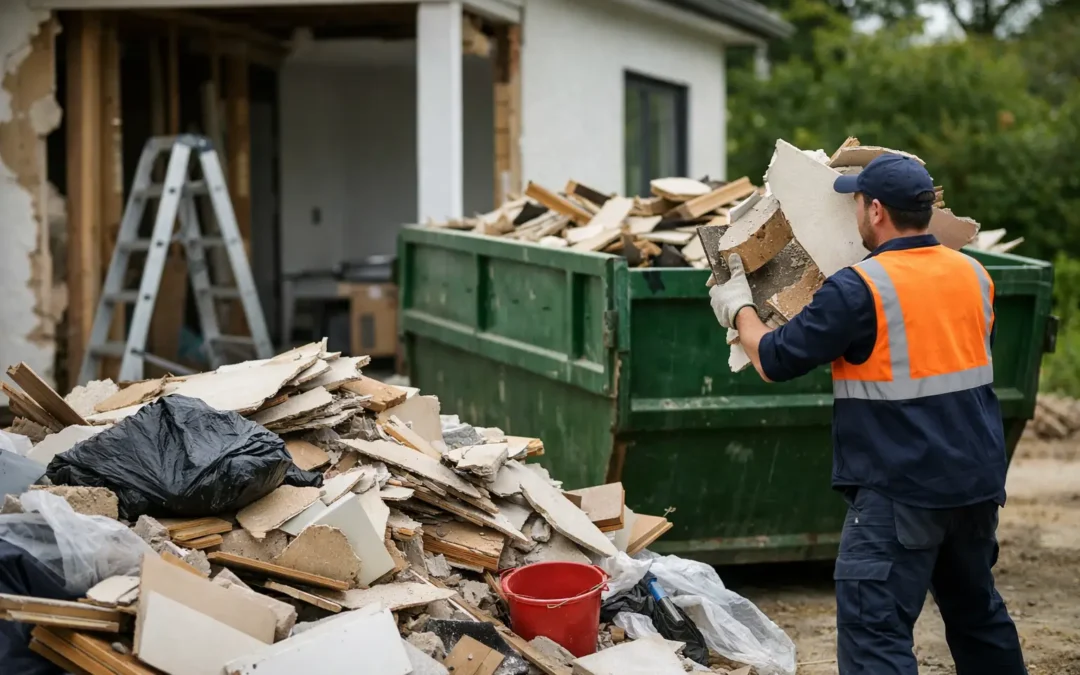
A renovation site can become difficult to manage long before the final clean. Old cabinetry stacked in a hallway, broken tiles underfoot and offcuts filling the driveway slow trades down, create safety risks and make a property look neglected. Effective rubbish removal for renovations keeps the project moving, protects access ways and gives owners, builders and property managers a clearer site from start to finish.
For Sydney renovations, removal is not simply a matter of loading everything into a skip or ute. Different waste streams need different handling, site access can be tight, and strata or council requirements may affect where a bin can be placed. A practical plan avoids avoidable delays, extra handling costs and complaints from neighbours or occupants.
Why renovation waste needs a proper plan
Renovation waste builds up quickly because demolition and installation often overlap. A bathroom strip-out can produce tiles, plasterboard, timber, fittings, packaging and old fixtures within a day. On a larger commercial fit-out, the volume can increase even faster when multiple trades are working across the site.
Leaving rubbish until the end is rarely the cheapest option. It takes up valuable work space, makes it harder to see hazards and can block fire exits, stairwells, loading areas or common property. For occupied offices, retail premises and strata buildings, unmanaged waste can also affect tenants, customers and residents.
A planned removal schedule gives each contractor a clear place for waste and a clear process for keeping work areas usable. It also helps project managers maintain presentation standards during staged works, rather than facing a major clean-up before handover.
Rubbish removal for renovations starts with sorting
The most useful decision is made before waste leaves the site: separate it where practical. Mixed rubbish is harder to process and can cost more to dispose of, while separated materials have a better chance of being recycled or directed to the appropriate facility.
Common renovation waste includes timber, metal, masonry, plasterboard, green waste from external works and general mixed debris. Cardboard and clean packaging are often easy to flatten and keep separate, particularly on new fit-outs where deliveries create a steady flow of boxes and plastic wrapping.
Some items require more care. Paint tins, chemicals, batteries, fluorescent tubes, electronic waste and gas bottles should not be treated as ordinary building rubbish. These materials may need specialist disposal pathways. Suspected asbestos must never be broken up, bagged or removed by an unqualified person. Stop work in the affected area and arrange assessment and removal by an appropriately licensed asbestos professional.
Sorting does not need to turn a renovation into a waste-management exercise. Clearly marked collection areas, a short briefing for trades and regular collection are usually enough. The right approach depends on the size of the site, the materials involved and how much space is available.
Match the removal method to the job
A skip bin can suit a demolition-heavy job with secure off-street space and a predictable volume of waste. However, it may not be the best option for a narrow site, a busy retail frontage or a building with limited loading access. Permits, placement restrictions and the risk of others adding rubbish can also affect the value of a skip.
A scheduled rubbish removal service is often more flexible for projects producing waste in stages. Crews can collect sorted piles, remove bulky items and clear work areas at agreed points in the programme. This is particularly helpful when a builder needs the driveway, loading dock or parking bay available between collections.
For smaller residential works, a single removal after demolition or installation may be sufficient. For multi-level commercial projects, regular collections may be necessary to keep corridors, lifts and service areas clear. There is no one-size-fits-all answer. The best method is the one that keeps trades productive without creating access or compliance problems.
Consider access before the rubbish arrives
Site access is one of the biggest factors in a smooth removal. Before booking, identify where vehicles can park, how far rubbish needs to be carried and whether there are stairs, lifts, low-clearance entries or restricted loading times. These details affect crew requirements, equipment and the time needed on site.
In strata properties, check the by-laws and advise building management before arranging a collection. Some buildings require lift protection, specific collection windows or booking of loading bays. Rubbish must not be left in common areas, near bins intended for residents or where it could obstruct emergency access.
For homes, protect lawns, driveways and internal floors where removal crews will be moving heavy materials. For commercial premises, coordinate with operations so collections do not interrupt customer trading, deliveries or staff access. A quick site review before work begins can prevent costly changes on collection day.
Keep safety and presentation working together
A clean site is safer, but it also supports a more professional project. Loose nails, sharp metal, shattered tiles and protruding timber are obvious hazards. Dusty debris spread through a foyer or footpath can create a poor impression and may lead to slips, complaints or extra cleaning work.
Set aside a contained waste area away from entry points and active work zones. Keep paths clear, stack materials safely and avoid overfilling bins or piles. If a renovation is taking place in an occupied building, schedule heavier removals outside peak access periods where possible.
Builders and property managers should also consider what happens after each collection. Rubbish removal handles the waste, but fine dust, adhesive residue and construction debris often remain behind. A builders clean or progressive site clean can be timed around removal stages so newly cleared areas are ready for the next trade or for inspection.
Avoid the common cost traps
Most disposal issues come from poor information, not bad intentions. Booking a removal based only on the number of rooms can lead to surprises if demolition reveals extra flooring, wet plaster, soil, concrete or heavy fixtures. Accurate photos, a clear description of materials and an estimate of volume make quoting more reliable.
Weight matters as much as space. Bricks, tiles, concrete and soil can fill a small area while adding substantial disposal weight. Conversely, old wardrobes, cardboard and light timber may take up a lot of room without being especially heavy. Tell the provider about both bulky and dense materials.
Last-minute collections can also cost more if access is restricted or rubbish has been spread across multiple areas. Consolidating waste safely before collection can save time, although hazardous materials should always remain separate and be handled correctly. A provider should be told upfront about stairs, lift use, parking limits and any need for after-hours access.
Build removal into the renovation schedule
The strongest renovation programmes treat waste removal as a scheduled site activity, not an afterthought. Arrange an initial clear-out after demolition, then book further collections around key stages such as framing, fit-out, flooring or final defect works. This approach prevents a single end-of-project pile from becoming difficult to sort and remove.
It also makes handover easier. A property manager can inspect a clear site, a builder can bring in final cleaners without working around debris, and an owner can see the finished result rather than the mess left behind. For rental properties, this can be particularly valuable when the renovation needs to transition quickly into marketing, tenancy or an end-of-lease handover.
With more than 15 years of property-focused experience, 5 Star Cleaning Group can support Sydney renovation sites with dependable rubbish removal and post-construction cleaning arranged around the needs of the job. The aim is straightforward: clear the waste safely, minimise disruption and leave the site ready for what comes next.
A renovation is already full of decisions about trades, finishes and timing. Planning rubbish removal early is one simple decision that protects all three, giving your team room to work and your property a cleaner path to completion.